
June 24, 2026
PCC and CV: How the Expansion of U.S. Foreign Terrorist Organization Designations Creates New Challenges for Companies in Latin America, Particularly in Brazil
The increase in transnational investigations, the expansion of U.S. Foreign Terrorist Organization (FTO) designations, and the strengthening of enforcement efforts are reshaping the global regulatory landscape and creating new challenges for companies and financial institutions operating internationally. Recently, the U.S. government designated Brazilian criminal organizations, including the Primeiro Comando da Capital (PCC) and the Comando Vermelho (CV), as Foreign Terrorist Organizations (FTOs), intensifying efforts to combat transnational organized crime while increasing regulatory scrutiny of international business operations.
In practice, this measure may have significant implications for Brazilian companies, particularly in areas such as compliance, anti-money laundering (AML), third-party risk management, supply chain oversight, and international financial transactions. Understanding the consequences of these designations is essential for assessing regulatory risks and strengthening corporate governance frameworks.
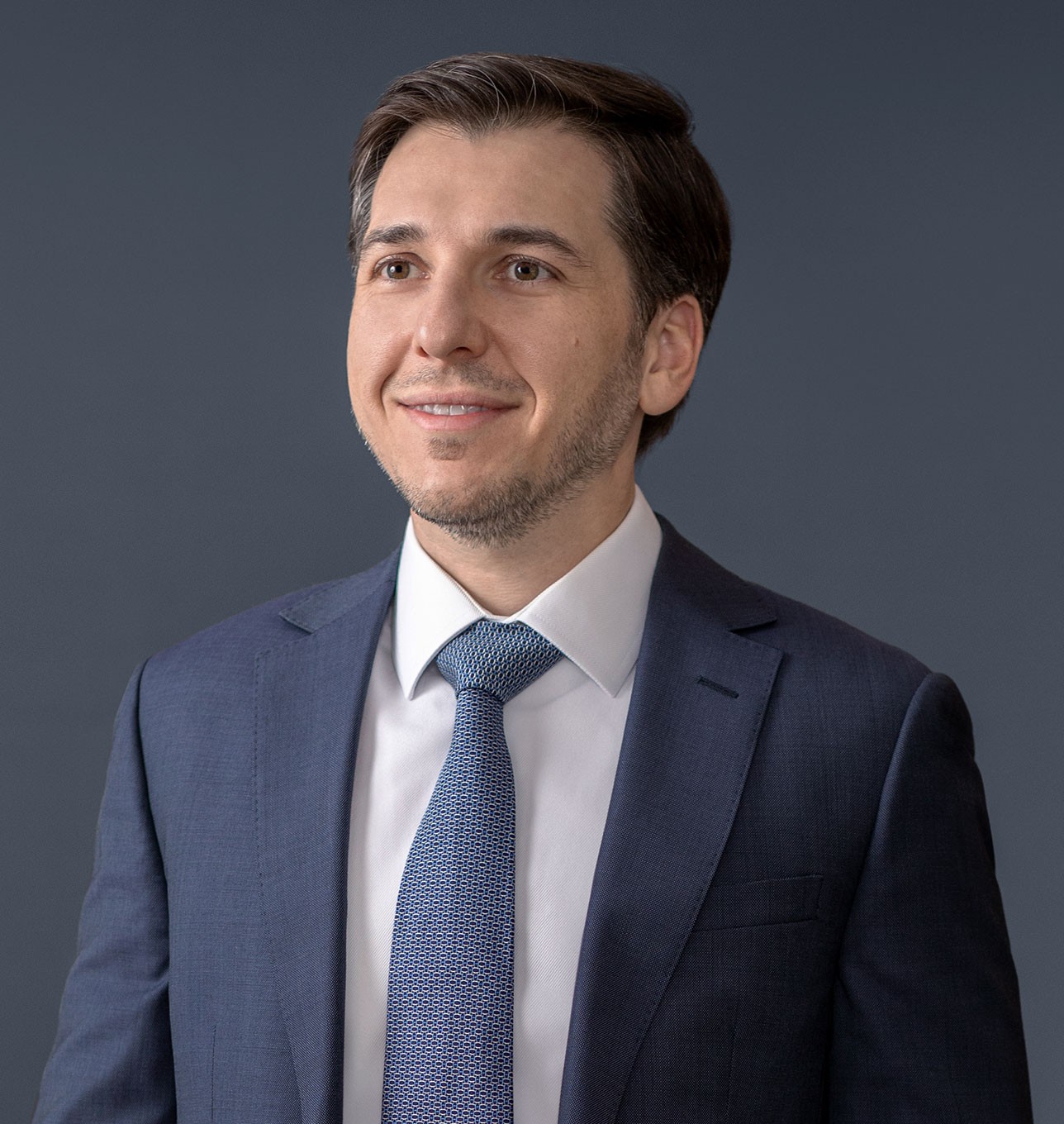
Against this backdrop, partner Michel Sancovski, co-leader of the Global Investigations & White Collar Defense Group, led the event Beyond Borders: Cartels, Criminal Organizations & Foreign Terrorist Organizations in Latin America, held at Mayer Brown's New York office.
Together with Mayer Brown partners Kelly Kramer, Gina Parlovecchio and Glen Kopp, Michel led discussions on the significance and implications of transnational investigations, bringing together Lucio Batista Martins (J&F), Gustavo Morales Oliver (FTI Consulting), Mariana Ramalho Cardoso (BTG Pactual) and Marjorie Avila Manfredini (PayJoy).
Throughout the event, participants discussed how the expansion of FTO designations and the increase in transnational criminal enforcement actions are heightening regulatory exposure for both Brazilian and international companies. Routine business interactions with entities linked to organizations designated by the United States may, under certain circumstances, be treated as conduct related to terrorism, thereby increasing the risk of liability for a wide range of market participants.
"The international landscape is creating new challenges for companies operating across multiple jurisdictions. Keeping pace with evolving regulatory and enforcement priorities is no longer solely a matter of compliance—it has become an integral part of organizations' risk management strategies and business decision-making," said Michel Sancovski.
In light of this evolving landscape, it is becoming increasingly important for companies to proactively review their compliance programs, supply chains, and financial flows in order to mitigate potential exposure arising from the extensive presence of these organizations within the formal economy, as well as the continuing evolution of the international regulatory environment.
In practice, this measure may have significant implications for Brazilian companies, particularly in areas such as compliance, anti-money laundering (AML), third-party risk management, supply chain oversight, and international financial transactions. Understanding the consequences of these designations is essential for assessing regulatory risks and strengthening corporate governance frameworks.
Against this backdrop, partner Michel Sancovski, co-leader of the Global Investigations & White Collar Defense Group, led the event Beyond Borders: Cartels, Criminal Organizations & Foreign Terrorist Organizations in Latin America, held at Mayer Brown's New York office.
Together with Mayer Brown partners Kelly Kramer, Gina Parlovecchio and Glen Kopp, Michel led discussions on the significance and implications of transnational investigations, bringing together Lucio Batista Martins (J&F), Gustavo Morales Oliver (FTI Consulting), Mariana Ramalho Cardoso (BTG Pactual) and Marjorie Avila Manfredini (PayJoy).
Throughout the event, participants discussed how the expansion of FTO designations and the increase in transnational criminal enforcement actions are heightening regulatory exposure for both Brazilian and international companies. Routine business interactions with entities linked to organizations designated by the United States may, under certain circumstances, be treated as conduct related to terrorism, thereby increasing the risk of liability for a wide range of market participants.
"The international landscape is creating new challenges for companies operating across multiple jurisdictions. Keeping pace with evolving regulatory and enforcement priorities is no longer solely a matter of compliance—it has become an integral part of organizations' risk management strategies and business decision-making," said Michel Sancovski.
In light of this evolving landscape, it is becoming increasingly important for companies to proactively review their compliance programs, supply chains, and financial flows in order to mitigate potential exposure arising from the extensive presence of these organizations within the formal economy, as well as the continuing evolution of the international regulatory environment.

Stay Up To Date With Our Insights
See how we use a multidisciplinary, integrated approach to meet our clients' needs.
Subscribe